Thursday, May 30, 2013

FW 12.1-6 --seabirds mock Mark--


[last] [fweb-toc] [fweet] [finwake] [theall] [pgs]


0dv: "—Three caws for for Mister Mark
Sure he hasnt got much of a bark
And sure any he has is all beside the mark.
O Wreneagle Highflighty would'nt it be a sky of a lark
To see that old busard whooping around in his shirt in the dark
And he hunting about for his speckled trousers in Palmerston park"

FDV: "—Three quarks for Muster Mark
Sure he hasn't got much of a bark
And sure any he has it's all beside the mark
But O Wreneagle Almighty wouldn't we {un} be a sky of a lark
To see that old buzzard whooping about for his {uns} shirt in the dark
And he {un} hunting round for his {uns} speckled trousers around by Palmerston Park."


synopsis: the song of the sea-birds — mocking King Mark


— Three quarks for Muster Mark!

fdv: "Three caws"

three cheers [590.30]
German Quark: rubbish, trifle; curd cheese
archaic quark: to croak
quarts for Mister Mark
quacks (Birds)

German Muster: paragon, pattern

Sir Dynaden, in Malory's Tristram, composes a song against Mark, which is sung before him


Sure he hasn't got much of a bark

impotence
tree bark


And sure any he has it's all beside the mark.

beside the point
off the mark


But, O Wreneagle Almighty, wouldn't un be a sky of a lark

fdv: "O Wreneagle Highflighty"

according to a folktale, the wren became king of the birds by riding on the eagle's back and thus flying higher than all other birds (birds)

Dialect un: him

wouldn't it be funny

skylark (birds)

U68: "Corny Kelleher... Singing with his eyes shut. Corny. Met her once in the park. In the dark. What a lark"


To see that old buzzard whooping about for uns shirt in the dark

fdv: "busard" (French spelling)

buzzard (birds)
slang buzzard: fool

whooping crane (birds)

German uns: us

if Isolde is with Tristan, why is Mark searching for his own clothes?


And he hunting round for uns speckled trousers around by Palmerstown Park?

speckled-back plover (birds)
cumstained

Palmerston Park, Dublin [1909 map] [streetview now]
U112: "Start, Palmerston park!"

was he exposing himself in the park here too?


[next]

Tuesday, April 30, 2013

FW 13.1-5 --midnight's bells--


[last] [fweb-toc] [fweet] [finwake] [theall] [pgs]

FDV: "Watches of the night Twelve two eleven four ten six. eigh seven eight. Five three. Twelve." →
"Watches of the night Hark! Twelve two eleven cater ten seix sax. Hark! Eight seven Pedwar pemp. Five three. Twelve."

Book Three:
"a description of a postman travelling backwards in the night through the events already narrated"
"a via crucis of fourteen stations of the cross" (possibly reflected also in fourteen questions and answers
"a barrel of Guinness rolling down (or up) the river Liffey"

synopsis: the four old men counting midnight bells — over a sleeping pair?

realism would imply they know the approximate times of sunset and sunrise, and are confused here because it's pitch black, somewhere between 6pm and 6am (summer nights are shorter, winter nights are longer)

fdv: "watches of the night"
[wiki] 'The phrase 'watches of the night' has been used since at least the Book of Common Prayer (1662), and dates back further: "the watches of the night: the night-time; watch originally each of the three or four periods of time, during which a watch or guard was kept, into which the night was divided by the Jews and Romans. The phrase occurs in KJV-Psalms, and has also been used in several works of literature as a cliché for what is also called 'the wee small hours', or 'the early morning', often with connotations of blackness (both of night and of the spirits) and depression (eg, Longfellow (1879) "In the long, sleepless watches of the night"). 'Watches of the Night' is also an 1887 story by Rudyard Kipling. The title puns on two identical timepieces.'

cf opening of Hamlet?


Hark!

listen! [wkt]

"Hark! ...Hork!" A/O


Tolv two elf kater ten (it can't be) sax.

fdv: "Twelve two eleven four ten six." →
"Twelve two eleven cater ten seix sax."
12-2-11-4-10-6 (conserved) 12-11-10 vs 2-4-6 (slow counterclockwise vs fast clockwise)

multiple bumbling half-asleep voices trying to count the striking of a clock

they use different (competing?) counting systems... some counting backwards???

for the 1st thru 3rd/4th/5th strikes it might be morning hours, but once it reaches six they know it's more like 9-12

Danish tolv: twelve
toll

"two" and "ten" are unpunned

German elf: Dutch elf: eleven

Irish ceathair: four
cater
(why Kater?)

they must have been asleep and lost track of when in the pitchblack night it is

six
sex
saxophone
Saxon


Hork!

hork/hock/hawk = cough up [wkt]
German horch: listen


Pedwar pemp foify tray (it must be) twelve!

fdv: "eigh seven eight. Five three. Twelve." →
"Eight seven {Pedwar pemp}. Five three. Twelve."
8-7-8 5-3 12
8-7
4-5 (8-7-6 counterclockwise vs 4-5-6 clockwise?)

once the count reaches 5/6/7 they know it will continue

Welsh pedwar: four
Jespersen: Language, its Nature, Development and Origin 168 (IX.5): 'Welsh... pedwar = Ir. cathir, 'four''
ped- = foot, child
war

Welsh pump: five
pimp (why pEmp?)

Swiss German feufi: five o'clock (Zurich dialect; pronounced 'foify') not a plausible interpretation of the strikes counted so far

fifty three? (not a plausible clockbelltime)

trey = 3 (playing cards)
Italian tre: three
tray with food?

are they breaking the 7/8/9/10/11 counts into smaller subsets?

"(it can't be)... (it must be)"

"Tolv... twelve!" (cycles around to start?)
"twelve" is unpunned


And low stole o'er the stillness the heartbeats of sleep.

(plain poetic English!?)
the heartbeats stole low over the stillness?

"stole o'er" goes back to 1762 [gbks]

sleeper's heartbeats
cf 428.16 "pulse of our slumber"

the night was still even before the watchers fell asleep
(was it their duty to stay awake?)


[next]

Thursday, August 30, 2012

FW 14.1a --Shaun/Jaun stops to rest--

14.1a: Jaunty Jaun, as I was shortly before that made aware...
14.1b: (let God's son now be looking down on the poor preambler!)...
14.1c: at the weir by Lazar's Walk (for far and wide, as large as he was lively...
14.1d: He was there, you could planemetrically see, when I took a closer look...
14.1e: amply altered for the brighter, though still the graven image...
14.1f: the way he thought, by the holy januarious, he had a bullock's hoof...
14.1g: propped up, restant, against a butterblond warden of the peace...
14.1h: who, buried upright like the Osbornes, kozydozy...


[last] [fweb-toc] [fweet] [finwake] [theall] [pgs]

FDV: "Shaun, as I next saw, halted to take breath {& loosen his boots}"


synopsis: Jaun rests on the river bank — giving repose to his aching feet


Jaunty Jaun,

jaunty: sprightly, lively (ironic?)

Don Juan


as I was shortly before that made aware,

"I" was Mamalujo's ass in the last chapter

fdv: "as I next saw"

before what? aware of his halting before he halted?


next halted to fetch a breath,

catch

Penguin omits final comma


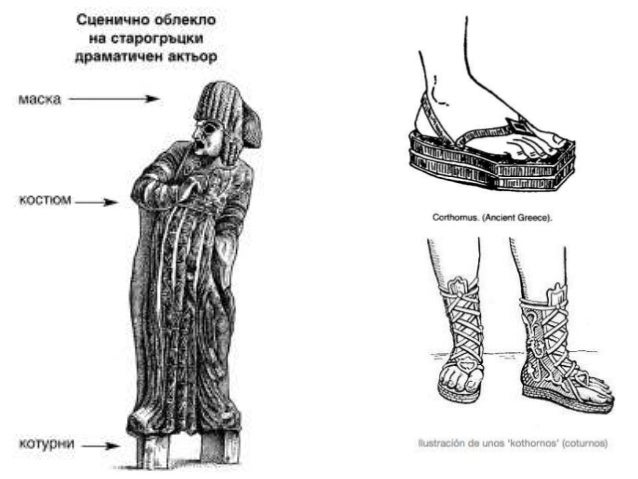
the first cothurminous leg of his nightstride


cothurnus: thick-soled boot worn anciently by tragic actors; buskin (legs)

conterminous [wkt] ending together?
terminus

night-shirt
night-ride
stride (legs)
cf watches of night?


being pulled through, and to loosen

having been completed (with effort)

phrase pull one's leg: to fool someone (legs)

Toulouse?

continues below after parenthesis: "to loosen... both of his bruised brogues"


[next]

Saturday, June 30, 2012

FW 15.1a --Shaun/Yawn asleep--

15.1a: Lowly, longly, a wail went forth. Pure Yawn lay low....
15.1b: Most distressfully (but, my dear, how successfully!) to wail he did...
15.1c: Yawn in a semiswoon lay awailing and (hooh!) what helpings...


[last] [fweb-toc] [fweet] [finwake] [theall] [pgs]

FDV: "Lowly, longly a wail went forth. Pure Yawn lay low. In the mead
of the hillock he lay, the brief wallet by his side, one hand still loosely
on his staff of citron wood." →
"Lowly, longly a wail went forth. Pure Yawn lay low. On the mead
of the hillock he lay, the brief wallet by his side, one arm still loosely
on his staff of citron briar."

synopsis: Yawn sleeps in the landscape — he sighs, he wails


Lowly, longly, a wail went forth.

Penguin omits 2nd comma


Pure Yawn lay low.

Irish Sheain: John (vocative; pronunciation 'Yawn')

to lay low = to knock down/out [wkt]


On the mead of the hillock lay,

mead = meadow
mead = alcoholic drink made by fermenting honey and water

(he) lay


heartsoul dormant mid shadowed landshape,

in Egyptian theology, the heart-soul (ba) and the shadow (khaibit) were two constituents of a man's soul (discussed in Book of the Dead cxlvi-cxlviii, cc-cci, and elsewhere)

dormant = sleeping, hibernating

amid

shadows are most prominent when the sun is low, early morning or late afternoon

landscape

(what shape is this landshape?)


brief wallet to his side, and arm loose,

brief = short written message [wkt]
briefcase, cf German Brieftasche: wallet (literally 'letter bag')

"loose" = not held close to his side? relaxed?

harmless??


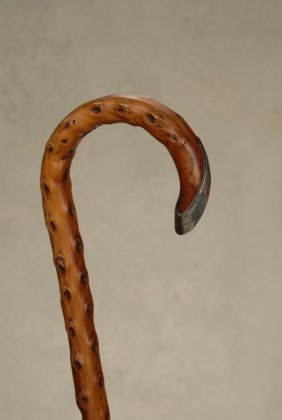
by his staff of citron briar,

citron wood
briar wood
these two woods are mutually exclusive


tradition stick-pass-on.

cane traditionally passed down? (aboriginal ceremony?)
did HCE pass it to Shaun?

stick a (railroad) pass on it?

(it sounds a little like a spoonerism: pickstation? patrickstan?)

cf?? fw27: "Where misties swaddlum, where misches lodge none, where mystries pour kind on, O sleepy! So be yet!"


His dream monologue was over, of cause,

dream monologue = mental rehearsal of planned speech? (Stephen does a lot of this in Ulysses 1-3)

of course
for cause

cause/effect
dream/drama
monologue/polylogue


but his drama parapolylogic had yet to be, affact.

'para-' from Ancient Greek παρά ‎(pará, “beside; next to, near, from; against, contrary to”) [wkt]

paralogism: false reasoning of which reasoner is unconscious
archaic polylogy: much speaking, loquacity, garrulousness

'affacciate' (Italian) = you all are showing
in fact
affect


[next]

Thursday, March 15, 2012

FW 16.1-3a --someone awakens from sleep--


[last] [fweb-toc] [fweet] [finwake] [theall] [pgs]

FDV: "What was thass? Fog {what} wass? Listen, Souly me, deary— Too mult sleepth. Less me sleepl. {And natt by naught by night by naked.}"


synopsis: night by night — while the four in their corners watch over the two sleeping twins, Kevin and Jerry


What was thass? Fog was whaas?

fw1 has "thaas"

What was that? What what was?

Dutch waas: fog


Too mult sleepth. Let sleepth.

too much sleep (too much, or not enough?)
two must sleep
tumult
Rumanian mult: Latin multum: much

sleeps (lisp)
sleepeth

fdv: "Less" (too much/less)
let them
let's


But really now whenabouts?

Penguin has "whenabouts."

about what time (is it)?


Expatiate then how much times we live in! Yes?

expatiate: speak or write copiously

what sort of historical era

fw1 has "in."

yes, you will?


paragraph:

So, nat by night by naught by naket

Penguin has "So nat"

Danish nat: night

naked

series of uncapitalised paragraphs:
"So, nat by night by naught by naket...
night by silentsailing night...
nowth upon nacht...
wan fine night and the next fine night and last find night...
each and every juridical sessions night...
niece by nice by neat by natty"


in those good old lousy days gone by

VI.B6.186: "good old lousy days (sulphur waters)"
maybe sulfur as treatment for lice?

'[number] lousy days' 20thC military slang

song The Good Old Days Gone By ♬?


(the days, shall we say?, of whom, shall we say?)

fw1 omits parens, comma after capped "Whom"


[next]

Tuesday, February 7, 2012

FW 17.1-2a --dawn prayers--

17.1: Sandhyas! Sandhyas! Sandhyas!
17.2a: Calling all downs. Calling all dawns to dayne....
17.2b: Here! Here! Tass, Patt, Steff, Woff, Havv, Bluvv and Rutter!....
17.2c: Calling all daynes. Calling all daynes to dawn.....


[last] [fweb-toc] [fweet] [finwake] [theall] [pgs]

FDV: "Calling all dawns. Calling all dawns to day {dayne}. Eirewecker to the whole {wohld} bludyn world. O rally, O rally, O rally!" ('probably late 1937')

synopsis: 'dawn — time for a new day and a new generation'


Sandhyas! Sandhyas! Sandhyas!
[fweb]

(not in fdv)
"Joyce told Jacques Mercanton that this word was Sanskrit for “the twilight of dawn” (Mercanton, “The Hours of James Joyce,” Potts 221)."

Sanskrit sandhya: twilight of dawn, period between aeons of the world (or Yugas), period of junction (Blavatsky: Isis Unveiled I.32: 'a samdhyâ... or the time when day and night border on each other, morning and evening twilight')

Sandhya: in Hindu mythology, the personification of twilight, being the daughter of Brahma who changed herself into a deer to escape her father when he tried to force himself on her

sandhya: daily Hindu prayers recited at dawn, noon, sunset and midnight

Sunday (ie, the preceding took place on Saturday night?)

Latin Sanctus, Sanctus, Sanctus = Holy, Holy, Holy (the 1st verse of the Sanctus hymn, which forms part of the Catholic Mass)

T.S. Eliot: The Waste Land ends with: 'Shantih shantih shantih' (formal ending of an Upanishad; from Sanskrit shantih: peace, tranquility)

cf U366: "Deshil Holles Eamus. Deshil Holles Eamus. Deshil Holles Eamus. ¶ Send us, bright one, light one, Horhorn, quickening and wombfruit. Send us, bright one, light one, Horhorn, quickening and wombfruit. Send us bright one, light one, Horhorn, quickening and wombfruit. ¶ Hoopsa, boyaboy, hoopsa! Hoopsa, boyaboy, hoopsa! Hoopsa, boyaboy hoopsa!"


Calling all downs. Calling all dawns to dayne.

fw1 has 'downs' for both; fdv has 'dawns' for both

calling all hands on deck
calling all cars (police in films and radio shows, 1930ff)

a downs = a tract of poor, sandy, undulating or hilly land near the sea, covered with fine turf which serves chiefly for the grazing of sheep

ups and downs
dawns
towns
dons (academics, nobles)

today

dine
dawn
Dane


Array! Surrection!

land divided up into rectangular plots?

a ray (of light)
arise
hurray

resurrection
insurrection

Penguin edition has fullstop for 2nd exclam mark


Eirewecker to the wohld bludyn world.

fw1 has 'Eireweeker'

Eire
fire
iron

Earwicker

weck = bread, or distant

formula: 'confectioner to the queen'

German wohl: well

whole bloody world

Bulgarian: bluden: lecherous, adulterous

Dublin (anagram)


O rally, O rally, O rally!

from The Shamrock Cockade  [sheetmusic]


Persse O'Reilly


Phlenxty, O rally! To what lifelike thyne of the bird can be.

phlox? (flower)
phoenix??

Thomas Moore: song The Wandering Bard: 'What life like that of the bard can be' [air: Planxty O'Reilly] [sheetmusic]

thine
thyme
tine
thence?


Seek you somany metters.

'seek' is often paired with 'hide' [fweet] but not here?
Matthew 7:7: Luke 11:9: 'seek, and ye shall find'

CQ?

so many
hominy?
FW94.27 "like Somany Solans"

fw1 has 'matters'
mettre (French) = to put, place
French Slang le mettre = fuck
Norwegian mette: satisfied; to satisfy; to still hunger

meters?
betters?
letters?


Haze sea east to Osseania.

the sea to the east, towards Ossian, is hazy???

haze - to make hazy, to involve in a haze
hazy
haste ye [cites]
HCE?

see

Oceania: general name for the Pacific islands and its seas
Ossian: Finn MacCool's son
Oisin (ushin) (gaelic) = Fawn; son of Fionn Mac Cumhail (Macpherson's Ossian)


[next]


Patrick Healy


Mariana Lanari and Sjoerd Leijten


Graziano Galati


FW 17.2b --shiny clean dawn--

17.1: Sandhyas! Sandhyas! Sandhyas!
17.2a: Calling all downs. Calling all dawns to dayne....
17.2b: Here! Here! Tass, Patt, Steff, Woff, Havv, Bluvv and Rutter!....
17.2c: Calling all daynes. Calling all daynes to dawn.....


[last] [fweb-toc] [fweet] [finwake] [theall] [pgs]

FDV: "Sonne feine, somme foehn avaunt! Guld modning, have yous viewsed Piers' aube? Thane yaars agon we have used yoors up since when we have fused now orther. "


Here! Here! Tass, Patt, Steff, Woff, Havv, Bluvv and Rutter!

Hear, hear!

Ulysses:
"Hear, hear. Prolonged applause. Zut! Nom de Dieu!" [p21, 1.665]
"— Hear, hear to that, says John Wyse. What will you have?" [p314, 12.1317]
"THE CHAPEL OF FREEMAN TYPESETTERS Hear! Hear!" [p457, 15.1531]

7? news agencies: TASS (Russia since 1902), PAT (Poland, 1918-1939), Stefani (Italy, 1853-1945), Wolffs (Germany, 1849-1934), Havas (France, 1835ff), Reuter (Great Britain, 1851ff)
(see also BBC below?)

7 colors?
7 dwarfs? (1912) 'Blick, Flick, Glick, Plick, Quee, Snick, Whick' or (1937) 'Doc, Grumpy, Happy, Sleepy, Bashful, Sneezy, and Dopey'
Santa's 8 reindeer? (1823)

cf FW51: "who was asked by free boardschool shirkers in drenched coats overawall, Will, Conn and Otto, to tell them overagait, Vol, Pov and Dev, that fishabed ghoatstory"

German Tasse = cup

TASS → Tass
PAT → Patt
Stefani → Steff (fw1 has 'Staff') [Stephen Dedalus, Stephen Joyce born 1932]
Wolffs → Woff [Peg Woffington: 18th century Irish actress? woful? German wofür = for which reason?]
Havas → Havv [Hebrew Havvah = Eve; 38.30 "Havvah-ban-Annah"; 110.14 "havvermashed"; 604.12 "as it havvents"]
??? → Bluvv
Reuter → Rutter

bread and butter
Tom, Dick and Harry

bluff
believe
blue
blood (German Blut)
blush
Bloom
love

rut = fucking, lust
Slang rutter = swindler
Italian rutti = belches, burps
Rotterdam
88.21 "...Helmingham Erchenwyne Rutter Egbert Crumwall Odin..."
314.12 "— Rutsch is for rutterman ramping his roe"


The smog is lofting.

smog: fog combined with smoke

Danish løfte: lift
lifting
lofty


And already the olduman's olduman has godden up

oldwoman's oldwoman (ie, maid Kate)
old man's old man (ie, butler Sackerson)
old human?
Hanuman?
alderman
phrase gentleman's gentleman: a valet

gotten up
forgotten, begotten
got up as = dressed as
goddess?
godforsaken?


on othertimes to litanate the bonnamours.

gotten up on = mounted, climbed

on other mornings? at other times?
Poems of Ossian: 'of other times' (a frequent reference to the past)
(why no space?)

litany
litigate
light

ventilate?

moors? (cf downs)

'bona mors' = happy death (Latin, usually capitalised?)
French bon amour: good love
Bona Mors = Catholic sodality founded in the 17thC with the purpose of preparing its members to a peaceful death

(why boNNa?)

(it sounds like sweet breakfast bun?)

light the bonfire? (is there any tradition of morning bonfires?)
meet the press????


Sonne feine, somme foehn avaunt!

Irish Sinn Féin, Sinn Féin Amháin: Ourselves, Ourselves Alone (Irish Nationalist slogan)

German Sonne: sun

German feine: fine

French somme: nap, snooze
Somme = French river, site of 1916 battle
sum, summa, summit

some feign?

fw1 has 'feehn'
foehn = warm dry south wind blowing down the valleys on the north side of the Alps

archaic avaunt!: begone! or advance or boast [wikt]


Guld modning, have yous viewsed Piers' aube?

Danish or Swedish 'guld' = gold
guild

Danish 'modning' = ripening, maturation (ripening gold = savings gaining value?)

U82: "Bantam Lyons' yellow blacknailed fingers unrolled the baton. Wants a wash too. Take off the rough dirt. Good morning, have you used Pears' soap?"

[one of many variations]
U15.335: "A cake of new clean lemon soap arises, diffusing light and perfume... the disc of the soapsun"

AngloIrish yous: ye, you (plural)

viewed (have you watched the sunrise?)
used

"Piers" in FW always implies Persse O'Reilly

French aube: dawn


Thane yaars agon we have used yoors up since when we have fused now orther.

Thane = Macbeth (thane of Cawdor)
"thyne... Thane"

Hebrew yaar: forest
Hebrew yaara: honeycomb

agone = ago
agony
Latin contest

Punch 1884
'I used your soap two years ago; since then I have used no other'
cf  'Three years ago we have used yours up since when we have used no other' (3 for 2, we for I)
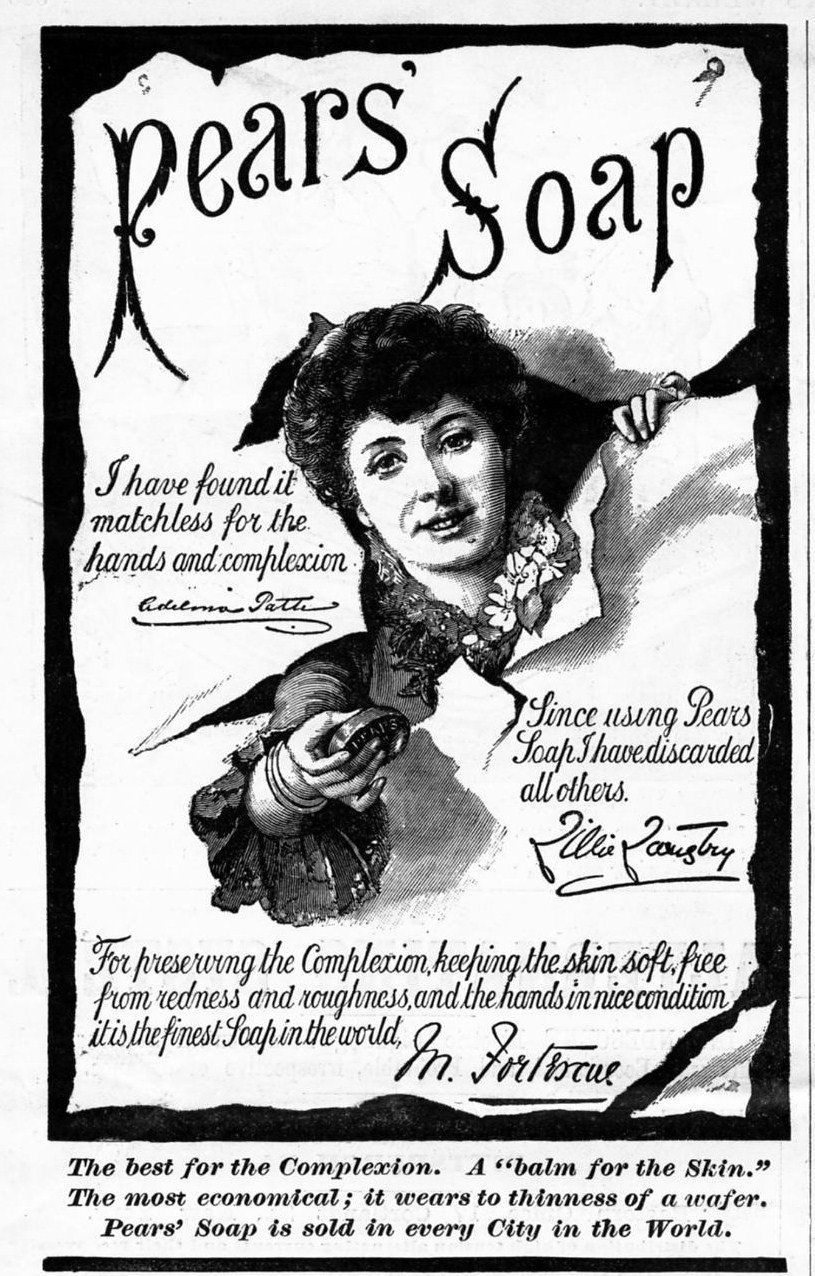
"Since using Pears Soap I have discarded all others"

fused (what sort of 'orther' could we have 'fused'?)
refused
confused
infused
rigged with fuse like bomb

(why yOOrs?)

now
no

orther (cf 9.05 "Leaper Orthor"; 397.33 "uptenable from the orther")
author
Arthur (King, Griffith, Guinness, Wellington)
other

new order
norther


[next]