1.15a:
Then as she is on her behaviourite job of quainance bandy, fruting for firstlings and taking her tithe...
1.15b:
like so many heegills and collines, sitton aroont, scentbreeched and somepotreek, in their swishawish...
1.15c:
We may see and hear nothing if we choose of the shortlegged bergins off Corkhill or the bergamoors...
1.15d:
though every crowd has its several tones and every trade has its clever mechanics and each harmonical...
1.15e:
But all they are all there scraping along to sneeze out a likelihood that will solve and salve life's robulous...
1.15f:
Behove this sound of Irish sense. Really? Here English might be seen. Royally? One sovereign punned...
[last] [fweb-toc] [fweet] [finwake] [theall] [pgs]
synopsis: an overview of the city and its hills — so this is Dublin
FDV:
"Pardon. Behold this sound of Irish sense. Really? Here English
might be seen. Royally? [...]{A sovereign} punned to paltry pence. Regally? A silence
makes a scene. Behold! Hush! Caution! Echoland!"
Swift: Epigram on the Magazine (in Phoenix Park): [cite]
'Behold! a proof of
Irish sense!
Here Irish wit is seen!
When nothing's left, that's worth
defence,
We build a magazine.'
Behove this sound of Irish sense. Really?
Here English might be seen. Royally?
One sovereign punned to petery pence. Regally?
sovereign = king or queen
sovereign pound
FDV: paltry
Peter's Pence: donation to the Roman Catholic Church
The silence speaks the scene. Fake!
Irish feach!: look!
FDV: Behold!
So This Is Dyoublong?
M.J. MacManus: So This Is Dublin (1927) tour guide derided Joyce [info]
do you belong?
Hush! Caution! Echoland!
HCE
cf Bloom on whispering galleries and confession boxes
[next]
full pages: 3 4 5 6 7 8 9 10 11 12 13 14 15 16 17 18 19 20 21 22 23 24 25 26 27 28 29
Showing posts with label p13. Show all posts
Showing posts with label p13. Show all posts
Wednesday, September 17, 2014

FW 1.18a --dismissive opinions of Dublin--
1.18a:
How charmingly exquisite! It reminds you of the outwashed engravure that we used to be blurring on the blotchwall...
1.18b: I say, the remains of the outworn gravemure where used to be blurried the Ptollmens of the Incabus. Used we?...
1.18c: By the mausolime wall. Fimfim fimfim. With a grand funferall. Fumfum fumfum. 'Tis optophone which ontophanes...
[last] [fweb-toc] [fweet] [finwake] [theall] [pgs]
synopsis: the engraving on the wall — look and listen
FDV: "How charmingly exquisite! It reminds you of the fading engraving that used to be blurring on the blotchwall of his innkempt house. Used they? (I am sure that tramp was listening.)" →
"How charmingly exquisite! It reminds you of the fading engravure that used to be blurring on the blotchwall of his innkempt house. Used they? (I am sure that tiring tramp with the chocolate box, Miny Mitchel, was listening.)"
"I am sure that tramp was listening" = overheard on street
tramp = poor man, or slutty woman
How charmingly exquisite!
HCE
pretentious phrasing
It reminds you of the outwashed engravure
reminds you of a picture that used to hang in the tavern
washed-out
French gravure: engraving
that we used to be blurring on the blotchwall
FDV: "that used to be"
the engraving was a washed-out blur on a blotch
of his innkempt house. Used they?
unkempt, ill-kept (derogatory)
innkeeper
"we used to be... Used they? ...Used we?"
(I am sure that tiring chabelshoveller
FDV: "that tramp" → "that tiring tramp"
rich person finds the poor tiresome
rich woman jealous of 'trampy' competitor for men's attention?
chapel
why chaBel? cable?
shuffler: a shifty person
poor man shovels chapels for small pay
trampy woman shovels what???
with the mujikal chocolot box, Miry Mitchel, is listening.)
mujik: a Russian peasant
musical
magical
FDV: "that tramp with the chocolate box, Miny Mitchel"
maybe a poor man's empty box ('mine!') holding only dreams?
or a showy gift that a trampy woman received?
Mary
Gipsy: miro: my, mine (in RLL)
like a mire? like a mine?
"is" ← "was"
[next]
full pages: 3 4 5 6 7 8 9 10 11 12 13 14 15 16 17 18 19 20 21 22 23 24 25 26 27 28 29
1.18b: I say, the remains of the outworn gravemure where used to be blurried the Ptollmens of the Incabus. Used we?...
1.18c: By the mausolime wall. Fimfim fimfim. With a grand funferall. Fumfum fumfum. 'Tis optophone which ontophanes...
[last] [fweb-toc] [fweet] [finwake] [theall] [pgs]
synopsis: the engraving on the wall — look and listen
FDV: "How charmingly exquisite! It reminds you of the fading engraving that used to be blurring on the blotchwall of his innkempt house. Used they? (I am sure that tramp was listening.)" →
"How charmingly exquisite! It reminds you of the fading engravure that used to be blurring on the blotchwall of his innkempt house. Used they? (I am sure that tiring tramp with the chocolate box, Miny Mitchel, was listening.)"
"I am sure that tramp was listening" = overheard on street
tramp = poor man, or slutty woman
How charmingly exquisite!
HCE
pretentious phrasing
It reminds you of the outwashed engravure
reminds you of a picture that used to hang in the tavern
washed-out
French gravure: engraving
that we used to be blurring on the blotchwall
FDV: "that used to be"
the engraving was a washed-out blur on a blotch
of his innkempt house. Used they?
unkempt, ill-kept (derogatory)
innkeeper
"we used to be... Used they? ...Used we?"
(I am sure that tiring chabelshoveller
FDV: "that tramp" → "that tiring tramp"
rich person finds the poor tiresome
rich woman jealous of 'trampy' competitor for men's attention?
chapel
why chaBel? cable?
shuffler: a shifty person
poor man shovels chapels for small pay
trampy woman shovels what???
with the mujikal chocolot box, Miry Mitchel, is listening.)
mujik: a Russian peasant
musical
magical
FDV: "that tramp with the chocolate box, Miny Mitchel"
maybe a poor man's empty box ('mine!') holding only dreams?
or a showy gift that a trampy woman received?
Mary
Gipsy: miro: my, mine (in RLL)
like a mire? like a mine?
"is" ← "was"
[next]
full pages: 3 4 5 6 7 8 9 10 11 12 13 14 15 16 17 18 19 20 21 22 23 24 25 26 27 28 29
FW 1.18b --pretending to tug at hearts--
1.18a:
How charmingly exquisite! It reminds you of the outwashed engravure that we used to be blurring on the blotchwall...
1.18b: I say, the remains of the outworn gravemure where used to be blurried the Ptollmens of the Incabus. Used we?...
1.18c: By the mausolime wall. Fimfim fimfim. With a grand funferall. Fumfum fumfum. 'Tis optophone which ontophanes...
[last] [fweb-toc] [fweet] [finwake] [theall] [pgs]
FDV: "I say, the remains of the famous gravemures where used to be blurried the Tollmens of the Incabus. Used he? It is well known. Look for himself. See?" →
"...Used we? (He is only pretending to be [sounding his ?box] {tugging at the harp} from a second tired listener. Fiery [Phil][Fergus]{Farrelly} It is well known. Look for himself. See?"
the derogatory comments are reformulated more positively because of the listener(s)?
I say, the remains of the outworn gravemure where used to be blurried
outworn: worn-out
Latin murus: wall
blurred
buried
the Ptollmens of the Incabus.
Ptolemy wrote an account of Ireland in the 2nd century
Greek ptôma: corpse
tall men
dolmen: a cromlech, a prehistoric stone structure
Incas
incubus: an evil spirit personifying the nightmare
Used we? (He is only pretendant to be stugging at the jubalee harp
who is "He"?
French prétendant: claiming; pretender; suitor
FDV: "sounding his ?box" → "tugging at the harp"
cf musical chocolate box
tugging at the heart
plucking? strumming? struggling?
jubilee
Genesis 4:21: 'Jubal: he was the father of all such as handle the harp and organ'
the harp is the official symbol of Ireland
from a second existed lishener, Fiery Farrelly.)
why "from"?
exhausted (FDV: tired) so, another tramp?
expected?
existent
listener
FDV: "Fiery Phil" → "Fiery Fergus" (clearly male)
Feardorcha ('dark man') O'Farrelly: 18th century Irish poet
It is well known. Look for himself and see the old butte new.
FW1 has "Lokk"
for him
for yourself
ear/eye (hear/see)
butte = hill (byoot or French beut)
but
butt
Butt Bridge, Dublin
Dbln. W.K.O.O. Hear?
radio call-sign???
Well-Known (above) Optophone which Ontophanes (below)
[next]
full pages: 3 4 5 6 7 8 9 10 11 12 13 14 15 16 17 18 19 20 21 22 23 24 25 26 27 28 29
1.18b: I say, the remains of the outworn gravemure where used to be blurried the Ptollmens of the Incabus. Used we?...
1.18c: By the mausolime wall. Fimfim fimfim. With a grand funferall. Fumfum fumfum. 'Tis optophone which ontophanes...
[last] [fweb-toc] [fweet] [finwake] [theall] [pgs]
FDV: "I say, the remains of the famous gravemures where used to be blurried the Tollmens of the Incabus. Used he? It is well known. Look for himself. See?" →
"...Used we? (He is only pretending to be [sounding his ?box] {tugging at the harp} from a second tired listener. Fiery [Phil][Fergus]{Farrelly} It is well known. Look for himself. See?"
the derogatory comments are reformulated more positively because of the listener(s)?
I say, the remains of the outworn gravemure where used to be blurried
outworn: worn-out
Latin murus: wall
blurred
buried
the Ptollmens of the Incabus.
Ptolemy wrote an account of Ireland in the 2nd century
Greek ptôma: corpse
tall men
dolmen: a cromlech, a prehistoric stone structure
Incas
incubus: an evil spirit personifying the nightmare
Used we? (He is only pretendant to be stugging at the jubalee harp
who is "He"?
French prétendant: claiming; pretender; suitor
FDV: "sounding his ?box" → "tugging at the harp"
cf musical chocolate box
tugging at the heart
plucking? strumming? struggling?
jubilee
Genesis 4:21: 'Jubal: he was the father of all such as handle the harp and organ'
the harp is the official symbol of Ireland
from a second existed lishener, Fiery Farrelly.)
why "from"?
exhausted (FDV: tired) so, another tramp?
expected?
existent
listener
FDV: "Fiery Phil" → "Fiery Fergus" (clearly male)
Feardorcha ('dark man') O'Farrelly: 18th century Irish poet
It is well known. Look for himself and see the old butte new.
FW1 has "Lokk"
for him
for yourself
ear/eye (hear/see)
butte = hill (byoot or French beut)
but
butt
Butt Bridge, Dublin
Dbln. W.K.O.O. Hear?
radio call-sign???
Well-Known (above) Optophone which Ontophanes (below)
[next]
full pages: 3 4 5 6 7 8 9 10 11 12 13 14 15 16 17 18 19 20 21 22 23 24 25 26 27 28 29
FW 1.18c --infinite reverberations of the fall--
1.18a:
How charmingly exquisite! It reminds you of the outwashed engravure that we used to be blurring on the blotchwall...
1.18b: I say, the remains of the outworn gravemure where used to be blurried the Ptollmens of the Incabus. Used we?...
1.18c: By the mausolime wall. Fimfim fimfim. With a grand funferall. Fumfum fumfum. 'Tis optophone which ontophanes...
[last] [fweb-toc] [fweet] [finwake] [theall] [pgs]
FDV: "By the mausoleme wall. ?Finnfinn Fannfann. With with a grand funferall. Fumfum fumfum!
They will be tuggling forever.
They will be listling forever.
They will be pretumbling forever.
The harpsichord will be theirs forever." →
"By the mausolime wall. Fimfim fimfim. With with a grand funferall. Fumfum fumfum!
They will be tuggling forever.
They will be listling forever.
They will be pretumbling forever.
Their harpsdischord will be theirs forever."
after Yeats' play 'Cathleen ni Houlihan':
'They shall be remembered for ever,
They shall be alive for ever,
They shall be speaking for ever,
The people shall hear them for ever'
By the mausolime wall. Fimfim fimfim.
so we're back to HCE's sin?
Magazine wall
mausoleum
Finn
With a grand funferall. Fumfum fumfum.
Ltr,Funferall
'Tis optophone which ontophanes.
optophone: invented in 1914 by Fournier D'Albe to enable the blind to read by sound, using light sensitive cells to translate print into musical notes (the circuit includes an electrical device known as a Wheatstone bridge)
Greek onto-: being, reality
Greek phaino: show
List! Wheatstone's magic lyer!
archaic list: listen
Hamlet
This acoustical trick featured an ornate lyre suspended via a thin steel wire from the soundboards of pianos and other instruments in the room above, and which appeared to play 'of itself' by sound conduction and sympathetic resonance of its strings [cite]
They will be tuggling foriver.
who is "They"?
Yeats and Gregory: Cathleen ni Houlihan (play): 'They shall be remembered for ever, They shall be alive for ever, They shall be speaking for ever, The people shall hear them for ever'
struggling for Ivor
AngloIrish accent: foriver: forever
river
They will be lichening for allof.
FDV: listling
archaic lich: body
lichens (on stones)
likeness?
listening for Olaf
ollav
They will be pretumbling forover.
forever
Danish forover: forwards
German vorüber: past, gone
The harpsdischord shall be theirs for ollaves.
harpsichord discord
(harp official symbol of Ireland)
AngloIrish ollav: sage
[next]
full pages: 3 4 5 6 7 8 9 10 11 12 13 14 15 16 17 18 19 20 21 22 23 24 25 26 27 28 29
1.18b: I say, the remains of the outworn gravemure where used to be blurried the Ptollmens of the Incabus. Used we?...
1.18c: By the mausolime wall. Fimfim fimfim. With a grand funferall. Fumfum fumfum. 'Tis optophone which ontophanes...
[last] [fweb-toc] [fweet] [finwake] [theall] [pgs]
FDV: "By the mausoleme wall. ?Finnfinn Fannfann. With with a grand funferall. Fumfum fumfum!
They will be tuggling forever.
They will be listling forever.
They will be pretumbling forever.
The harpsichord will be theirs forever." →
"By the mausolime wall. Fimfim fimfim. With with a grand funferall. Fumfum fumfum!
They will be tuggling forever.
They will be listling forever.
They will be pretumbling forever.
Their harpsdischord will be theirs forever."
after Yeats' play 'Cathleen ni Houlihan':
'They shall be remembered for ever,
They shall be alive for ever,
They shall be speaking for ever,
The people shall hear them for ever'
By the mausolime wall. Fimfim fimfim.
so we're back to HCE's sin?
Magazine wall
mausoleum
Finn
With a grand funferall. Fumfum fumfum.
Ltr,Funferall
'Tis optophone which ontophanes.
optophone: invented in 1914 by Fournier D'Albe to enable the blind to read by sound, using light sensitive cells to translate print into musical notes (the circuit includes an electrical device known as a Wheatstone bridge)
 |
| [wiki] |
Greek phaino: show
List! Wheatstone's magic lyer!
archaic list: listen
Hamlet
 |
| Wheatstone's Enchanted Lyre, 1821 |
They will be tuggling foriver.
who is "They"?
Yeats and Gregory: Cathleen ni Houlihan (play): 'They shall be remembered for ever, They shall be alive for ever, They shall be speaking for ever, The people shall hear them for ever'
struggling for Ivor
AngloIrish accent: foriver: forever
river
They will be lichening for allof.
FDV: listling
archaic lich: body
lichens (on stones)
likeness?
listening for Olaf
ollav
They will be pretumbling forover.
forever
Danish forover: forwards
German vorüber: past, gone
The harpsdischord shall be theirs for ollaves.
harpsichord discord
(harp official symbol of Ireland)
AngloIrish ollav: sage
[next]
full pages: 3 4 5 6 7 8 9 10 11 12 13 14 15 16 17 18 19 20 21 22 23 24 25 26 27 28 29
FW 1.19a --a historic prophecy--
1.19a:
Four things therefore, saith our herodotary Mammon Lujius in his grand old historiorum...
1.19b: Unum. (Adar.) A bulbenboss surmounted upon an alderman. Ay, ay! Duum. (Nizam.)...
[last] [fweb-toc] [fweet] [finwake] [theall] [pgs]
synopsis: the history book — the major characters
FDV: "And four things {therefore}, saith Mamalu, sall ne'er fail in Dyfflinarsky." →
"Four things these four, saith Mamalujius in his Grand Old Historiorum writ by Boriorum, sall ne'er fail to Dyfflinarsky till the heathersmoke & the cloudweed Eire's isle Sall hide. And here now they are the [four of them] {four Erins}."
Four things therefore, saith our herodotary Mammon Lujius
Herodotus: Greek historian
hereditary
doting on heroes
Herod
mammon
Mamalujo
maybe? Titus Livius: Roman historian, traditionally known as Livy
in his grand old historiorum, wrote near Boriorum,
Annals of the Four Masters was written in Donegal, which was called Boreum by Ptolemy
boring
bluest book in baile's annals, f.t. in Dyfflinarsky
slang blue: obscene
Blue Books: the official reports of the English Parliament
Irish baile: town (as in Baile Atha Cliath: Dublin)
Annals of the Four Masters
Norwegian f.t.: at present (short for 'for tiden')
four things (abbreviation by initialising was common in medieval Irish chronicles)
Dyfflinarskidi: territory around Norse Dublin
'Dyflin' on 11th century Dublin coins
Penguin typo: "Dyffinarsky"
ne'er sall fail til heathersmoke and cloudweed Eire's ile sall pall.
never shall
(Joyce stuck with 'sall' for 'shall' every step)
isn't burning heather common?!
cloudweed = tobacco??
hcE
isle
ill?
shall hide/pale
(the prophesy seems pretty feeble since these are viconian/Wakean universals expected to recur eternally or until the world ends!)
And here now they are, the fear of um. Notities!
German vier: four
Portuguese um: one
slang umpteen: a large but indefinite number??
note these?
notice
notes
entities/unities/sorites?
Penguin: "are the"
FW1 had "T. Totities!"
Latin toties: so many times, as many times
[next]
full pages: 3 4 5 6 7 8 9 10 11 12 13 14 15 16 17 18 19 20 21 22 23 24 25 26 27 28 29
1.19b: Unum. (Adar.) A bulbenboss surmounted upon an alderman. Ay, ay! Duum. (Nizam.)...
[last] [fweb-toc] [fweet] [finwake] [theall] [pgs]
synopsis: the history book — the major characters
FDV: "And four things {therefore}, saith Mamalu, sall ne'er fail in Dyfflinarsky." →
"Four things these four, saith Mamalujius in his Grand Old Historiorum writ by Boriorum, sall ne'er fail to Dyfflinarsky till the heathersmoke & the cloudweed Eire's isle Sall hide. And here now they are the [four of them] {four Erins}."
Four things therefore, saith our herodotary Mammon Lujius
Herodotus: Greek historian
hereditary
doting on heroes
Herod
mammon
Mamalujo
maybe? Titus Livius: Roman historian, traditionally known as Livy
in his grand old historiorum, wrote near Boriorum,
Annals of the Four Masters was written in Donegal, which was called Boreum by Ptolemy
boring
bluest book in baile's annals, f.t. in Dyfflinarsky
slang blue: obscene
Blue Books: the official reports of the English Parliament
Irish baile: town (as in Baile Atha Cliath: Dublin)
Annals of the Four Masters
Norwegian f.t.: at present (short for 'for tiden')
four things (abbreviation by initialising was common in medieval Irish chronicles)
Dyfflinarskidi: territory around Norse Dublin
'Dyflin' on 11th century Dublin coins
Penguin typo: "Dyffinarsky"
ne'er sall fail til heathersmoke and cloudweed Eire's ile sall pall.
never shall
(Joyce stuck with 'sall' for 'shall' every step)
isn't burning heather common?!
cloudweed = tobacco??
hcE
isle
ill?
shall hide/pale
(the prophesy seems pretty feeble since these are viconian/Wakean universals expected to recur eternally or until the world ends!)
And here now they are, the fear of um. Notities!
German vier: four
Portuguese um: one
slang umpteen: a large but indefinite number??
note these?
notice
notes
entities/unities/sorites?
Penguin: "are the"
FW1 had "T. Totities!"
Latin toties: so many times, as many times
[next]
full pages: 3 4 5 6 7 8 9 10 11 12 13 14 15 16 17 18 19 20 21 22 23 24 25 26 27 28 29
FW 1.19b --the basic sigla--
1.19a:
Four things therefore, saith our herodotary Mammon Lujius in his grand old historiorum...
1.19b: Unum. (Adar.) A bulbenboss surmounted upon an alderman. Ay, ay! Duum. (Nizam.)...
[last] [fweb-toc] [fweet] [finwake] [theall] [pgs]
FDV: "A swell{ed}head on an alderman. A shoe on a poor old woman. An auburn maid to be deserted. A pen no weightier than a polepost. And so. And all." →
"A bulbenhead surmount[ing]{ed} an alderman. Ay, ay! A shoe on a poor old woman. Ah, ho! An auburn maid, a bridabride, to be deserted. Adear, adear! A pen no weightier than a polepost. And so. And all."
spreadsheet:
E Unum Adar Ay (Latin: unus, una, unum; primus, prima, primum)
△ Duum Nizam Ah ho (duo, duae, duo; secundus, alter)
⊥ Triom Tamuz Adear (tres, tres, tria; tertius)
/[ Quodlibus Marchessvan (quattuor; quartus)
Succoth
Unum. (Adar.)
Latin unum: one (neuter gender)
Adar: the twelfth (or sixth) month of the Jewish year (months)
A bulbenboss surmounted upon an elderman. Ay, ay!
head (or hump?)
Mount Ben Bulben, County Sligo
"surmounted upon" = balanced like an egg? after a hard climb?
alderman
elder
Ay Ay
Roman numeral 'I I' = two
Duum. (Nizam.)
Latin duum: of two
nizam = system, order (Arabic) also an honorific
Nisan: the first (or seventh) month of the Jewish year (months)
A shoe on a puir owld wobban. Ah, ho!
△
why a shoe? head/foot?
AngloIrish phrase poor old woman: Ireland (poetic)
queer
puisne = puny
pure
owl
howled
wobble
Ah Ho
Triom. (Tamuz.)
Latin trium: of three
triumph?
trio
Tammuz: the fourth (or tenth) month of the Jewish year (Months)
An auburn mayde, o'brine a'bride, to be desarted. Adear, adear!
⊥
 Oliver Goldsmith, The Deserted Village 1: 'Sweet Auburn!'
maid
made
Mamalujo had been using variations on the word "brinabride" (eg "the four beautiful sisters Brinabride") since their 1st appearance
O'Brien
a bride of brine (ie, of the sea, of a sailor)
St Bride: another name for Saint Brigid, a well-known 5thC Irish saint
(why should she be deserted?)
AngloIrish accent: desarted: deserted (viz Deserted Village)
stripped of clothes, or of virginity?
Dysert O'Dea Castle, County Clare??? [wiki]
Adear Adear
Quodlibus. (Marchessvan.)
Latin quodlibet: that which is pleasing [more]
libus = sacred pancake??
-ibus = of them?
Marcheshvan: the eighth (or second) month of the Jewish year (better known as Cheshvan) (months)
marquess?
A penn no weightier nor a polepost.
pen/post ([ Ʌ)
Bulwer-Lytton: 'The pen is mightier than the sword'
equal and opposite twins?
And so. And all. (Succoth.)
and so and all
VI.B3.08: 'Succoth (Patrick)'
Flood, Ireland, Its Saints and Scholars 10: 'King Niall of the Nine Hostages went on successive expeditions against the peoples of Gaul and Britain. Amongst the captives... was Succoth, a lad of sixteen... afterwards called Patricius, probably in allusion to his noble birth'
Succoth: Jewish Feast of Tabernacles (harvest festival)
[next]
full pages: 3 4 5 6 7 8 9 10 11 12 13 14 15 16 17 18 19 20 21 22 23 24 25 26 27 28 29
1.19b: Unum. (Adar.) A bulbenboss surmounted upon an alderman. Ay, ay! Duum. (Nizam.)...
[last] [fweb-toc] [fweet] [finwake] [theall] [pgs]
FDV: "A swell{ed}head on an alderman. A shoe on a poor old woman. An auburn maid to be deserted. A pen no weightier than a polepost. And so. And all." →
"A bulbenhead surmount[ing]{ed} an alderman. Ay, ay! A shoe on a poor old woman. Ah, ho! An auburn maid, a bridabride, to be deserted. Adear, adear! A pen no weightier than a polepost. And so. And all."
spreadsheet:
E Unum Adar Ay (Latin: unus, una, unum; primus, prima, primum)
△ Duum Nizam Ah ho (duo, duae, duo; secundus, alter)
⊥ Triom Tamuz Adear (tres, tres, tria; tertius)
/[ Quodlibus Marchessvan (quattuor; quartus)
Succoth
Unum. (Adar.)
Latin unum: one (neuter gender)
Adar: the twelfth (or sixth) month of the Jewish year (months)
A bulbenboss surmounted upon an elderman. Ay, ay!
head (or hump?)
Mount Ben Bulben, County Sligo
"surmounted upon" = balanced like an egg? after a hard climb?
alderman
elder
Ay Ay
Roman numeral 'I I' = two
Duum. (Nizam.)
Latin duum: of two
nizam = system, order (Arabic) also an honorific
Nisan: the first (or seventh) month of the Jewish year (months)
A shoe on a puir owld wobban. Ah, ho!
△
why a shoe? head/foot?
AngloIrish phrase poor old woman: Ireland (poetic)
queer
puisne = puny
pure
owl
howled
wobble
Ah Ho
Triom. (Tamuz.)
Latin trium: of three
triumph?
trio
Tammuz: the fourth (or tenth) month of the Jewish year (Months)
An auburn mayde, o'brine a'bride, to be desarted. Adear, adear!
⊥
maid
made
Mamalujo had been using variations on the word "brinabride" (eg "the four beautiful sisters Brinabride") since their 1st appearance
O'Brien
a bride of brine (ie, of the sea, of a sailor)
St Bride: another name for Saint Brigid, a well-known 5thC Irish saint
(why should she be deserted?)
AngloIrish accent: desarted: deserted (viz Deserted Village)
stripped of clothes, or of virginity?
Dysert O'Dea Castle, County Clare??? [wiki]
Adear Adear
Quodlibus. (Marchessvan.)
Latin quodlibet: that which is pleasing [more]
libus = sacred pancake??
-ibus = of them?
Marcheshvan: the eighth (or second) month of the Jewish year (better known as Cheshvan) (months)
marquess?
A penn no weightier nor a polepost.
pen/post ([ Ʌ)
Bulwer-Lytton: 'The pen is mightier than the sword'
equal and opposite twins?
And so. And all. (Succoth.)
and so and all
VI.B3.08: 'Succoth (Patrick)'
Flood, Ireland, Its Saints and Scholars 10: 'King Niall of the Nine Hostages went on successive expeditions against the peoples of Gaul and Britain. Amongst the captives... was Succoth, a lad of sixteen... afterwards called Patricius, probably in allusion to his noble birth'
Succoth: Jewish Feast of Tabernacles (harvest festival)
[next]
full pages: 3 4 5 6 7 8 9 10 11 12 13 14 15 16 17 18 19 20 21 22 23 24 25 26 27 28 29
FW 1.20-21 --HCE as whale--
[last] [fweb-toc] [fweet] [finwake] [theall] [pgs]
synopsis: leaves of time — four entries from the annals
FDV: "The Annals tell how
1132 AC Men wondern as Wallfisch and. Bloaty wares." →
"The Annals bring how
1132 AB Men like to ants wondern all over on a groot Wide Wallfisch
and that lay in a Runnel. [Blubber]{Blubby} wares [in]{upat} Eblanium."
we get an imperfectly reflecting timeline: 1132-566-0-566-1132
the modifiers on these numbers changed mysteriously from:
AC AC - AD AD →
AB BA - OD DO →
AD AD - AD AD
So, how idlers' wind turning pages on pages,
The Idler was Samuel Johnson's journal
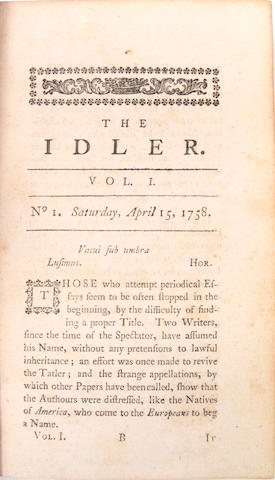
'idlers' wind' sounds like a sailing term
VI.B14.18: 'wind turns over pages'
Schuré, Les Grandes Légendes de France: 'a hurricane passed over the book and turned all the pages. It remained open on the XIIth chapter of the Apocalypse'
(partial explanation of 2-1-0-1-2 symmetry?)
as innocens with anaclete play popeye antipop,
Latin innocens: harmless
Anacletus II, antipope, opposed Innocent II, pope, in the years 1130-1138 (including 1132)
Popeye the Sailor [fweet-6]
popeye: symptom of disease (esp. in fish)
popeye = species of fish
the leaves of the living in the boke of the deeds,
pages
boke = poke; mouth; vomit
Book of the Dead
book of deeds
annals of themselves, timing the cycles of events grand and national,
VI.B14.188: 'annal' (sort of obvious, surely?)
Studies, An Irish Quarterly Review: Comments on the Foregoing Article: 'Readers will have noticed in the annal entries that ecclesiastics and men of learning generally get the leading mention'
Annals of the Four Masters
VI.B6.03: 'timed his cycle' (sounds like Bloom)
bicycle, viconian cycle, menstrual cycle
grand > national? grand ≈ national?
Grand National (horse race)
bring fassilwise to pass how
German fassweise: by the barrel
French facile: easy
fossil
German Passah: Passover
tell how
1132 A.D. Men like to ants or emmets
1132
1 (E) + 1 (△) + 3 (ɅT[) + 2 (⊣⊢)
Annals of the Four Masters, 'The Age of Christ, 283... Finn... fell... upon the Boinn' (ie, Finn MacCool died AD 283; 283 = 1132/4)
Laurence O'Toole born 1132
AD = Anno Domini (proper form would be AD 1132); or Ante Diluvium?
archaic emmet: ant
wondern upon a groot hwide Whallfisk which lay in a Runnel.
German wandern: to wander
wondered about
Dutch groot: great, big, large
Danish hvid: white
wide
white whale = Moby Dick?? [fweet-4]
German Walfisch: whale
Danish fisk: fish
Thom's: 1331: 'A great famine relieved by a prodigious shoal of fish, called Turlehydes, being cast on shore at the mouth of the Dodder. They were from 30 to 40 feet long, and so thick that men standing on each side of one of them, could not see those on the other. Upwards of 200 of them were killed by the people' after Harris
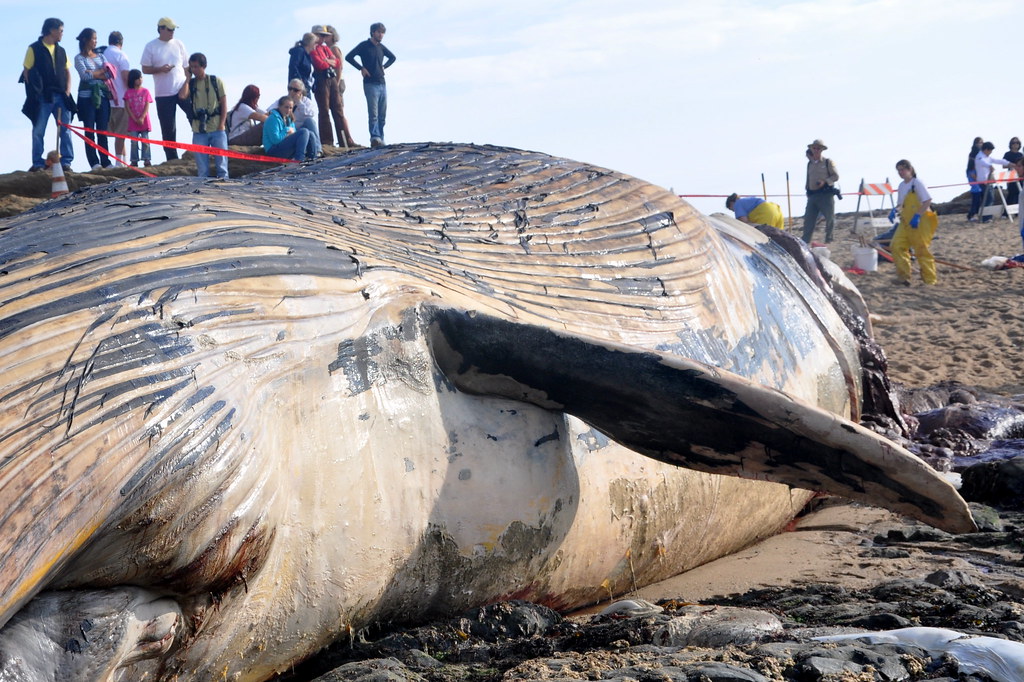
cf U45: "A school of turlehide whales stranded in hot noon, spouting, hobbling in the shallows. Then from the starving cagework city a horde of jerkined dwarfs, my people, with flayers' knives, running, scaling, hacking in green blubbery whalemeat."
runnel: small stream of water, brooklet
tunnel
Blubby wares upat Ublanium.
viconian cycle
blubber
chubby
Dryden called breasts 'bubbies'
upon, up at
Eblana: Ptolemy's name for Dublin
uranium
[next]
full pages: 3 4 5 6 7 8 9 10 11 12 13 14 15 16 17 18 19 20 21 22 23 24 25 26 27 28 29
synopsis: leaves of time — four entries from the annals
FDV: "The Annals tell how
1132 AC Men wondern as Wallfisch and. Bloaty wares." →
"The Annals bring how
1132 AB Men like to ants wondern all over on a groot Wide Wallfisch
and that lay in a Runnel. [Blubber]{Blubby} wares [in]{upat} Eblanium."
we get an imperfectly reflecting timeline: 1132-566-0-566-1132
the modifiers on these numbers changed mysteriously from:
AC AC - AD AD →
AB BA - OD DO →
AD AD - AD AD
So, how idlers' wind turning pages on pages,
The Idler was Samuel Johnson's journal
'idlers' wind' sounds like a sailing term
VI.B14.18: 'wind turns over pages'
Schuré, Les Grandes Légendes de France: 'a hurricane passed over the book and turned all the pages. It remained open on the XIIth chapter of the Apocalypse'
(partial explanation of 2-1-0-1-2 symmetry?)
as innocens with anaclete play popeye antipop,
Latin innocens: harmless
Anacletus II, antipope, opposed Innocent II, pope, in the years 1130-1138 (including 1132)
Popeye the Sailor [fweet-6]
popeye: symptom of disease (esp. in fish)
popeye = species of fish
the leaves of the living in the boke of the deeds,
pages
boke = poke; mouth; vomit
Book of the Dead
book of deeds
annals of themselves, timing the cycles of events grand and national,
VI.B14.188: 'annal' (sort of obvious, surely?)
Studies, An Irish Quarterly Review: Comments on the Foregoing Article: 'Readers will have noticed in the annal entries that ecclesiastics and men of learning generally get the leading mention'
Annals of the Four Masters
VI.B6.03: 'timed his cycle' (sounds like Bloom)
bicycle, viconian cycle, menstrual cycle
grand > national? grand ≈ national?
Grand National (horse race)
bring fassilwise to pass how
German fassweise: by the barrel
French facile: easy
fossil
German Passah: Passover
tell how
1132 A.D. Men like to ants or emmets
1132
1 (E) + 1 (△) + 3 (ɅT[) + 2 (⊣⊢)
Annals of the Four Masters, 'The Age of Christ, 283... Finn... fell... upon the Boinn' (ie, Finn MacCool died AD 283; 283 = 1132/4)
Laurence O'Toole born 1132
AD = Anno Domini (proper form would be AD 1132); or Ante Diluvium?
archaic emmet: ant
wondern upon a groot hwide Whallfisk which lay in a Runnel.
German wandern: to wander
wondered about
Dutch groot: great, big, large
Danish hvid: white
wide
white whale = Moby Dick?? [fweet-4]
German Walfisch: whale
Danish fisk: fish
Thom's: 1331: 'A great famine relieved by a prodigious shoal of fish, called Turlehydes, being cast on shore at the mouth of the Dodder. They were from 30 to 40 feet long, and so thick that men standing on each side of one of them, could not see those on the other. Upwards of 200 of them were killed by the people' after Harris
cf U45: "A school of turlehide whales stranded in hot noon, spouting, hobbling in the shallows. Then from the starving cagework city a horde of jerkined dwarfs, my people, with flayers' knives, running, scaling, hacking in green blubbery whalemeat."
tunnel
Blubby wares upat Ublanium.
viconian cycle
blubber
chubby
Dryden called breasts 'bubbies'
upon, up at
Eblana: Ptolemy's name for Dublin
uranium
[next]
full pages: 3 4 5 6 7 8 9 10 11 12 13 14 15 16 17 18 19 20 21 22 23 24 25 26 27 28 29
FW 1.22 --ALP's bagful of shoes--
[last] [fweb-toc] [fweet] [finwake] [theall] [pgs]
synopsis: leaves of time — four entries from the annals
FDV: "566 ?A.C. On Bell of this year a crone that hadde a wickered kish for to hale turves from the bog lookit under the blay of her kish & found herself full of swalle shoon and. Bluchy works on Hurdlesford." →
"566 B.A. On [Baalfirenacht]{Ballfireeve} of this year a crone that hadde a wickered kish for to hale dead turves from the bog lookit under the blay of her kish as she ran & found herself [rich]{sackvulle} of swart goody quickenshoon & smalie illigant brogues. Bluchy works at Hurdlesford."
AC AC - AD AD →AB BA - OD DO →
AD AD - AD AD
"1132 AB... 566 BA... 566 OD... 1132 DO" hints at reflections within reflections
566 A.D. On Baalfire's eve of this year after deluge
566 is half of 1132, as Eve is half of Adam??
A.D. for Ante Diluvium?? (before flood vs "after deluge")
Danish baal: bonfire
Beltane: ancient Celtic May Day celebration, on which large bonfires were lit on the hills of Ireland (Irish Bealtaine, etymologised as 'Baal's fire')
bale-fire: a great open-air fire (originally, specifically that of a funeral pile)
"year after deluge" ie, one year after?
Madame de Pompadour, mistress of Louis XV: 'After us, the deluge'
postdiluvian?
a crone that hadde a wickered kish for to hale dead turves from the bog
"crone... hale" cf? Kronenhalle: a Zurich restaurant, a favourite of Joyce
 AngloIrish kish: wicker basket (for turf)
wicked wish
Kish lightship, Dublin Bay
turf (but how "dead"?)
turds
(she'll resemble the prankquean, below)
lookit under the blay of her kish as she ran
looked
VI.B6.103: 'blay' (does anyone know what this meant?)
Irish Independent 23Jan24: 'McGuires Great Sale Offers': 'Unbleached Twill Sheets. 1,500 pairs of Good Blay Sheets for Single Beds. Sale Price Each... 2/3' (cf 'dito sheets'?)
blay = small freshwater fish
artificial Irish: Baile Atha Cise: Town of the Ford of the Wickerwork (pronunciation 'blaakish') (cf below Baile Atha Cliath: Town of the Ford of the Hurdles = Dublin)
"as she ran" sounds awkward to attempt... why is she running, why can't she stop?
for to sothisfeige her cowrieosity
satisfy
so this
Sothis: Egyptian name of Sirius, Star of Isis; rose at beginning of Egyptian sacred year
German Feige: fig
German slang: Feige: female genitalia
German feige: cowardly
curiosity
cow sacred to Isis
cowrie shells (used as currency in parts of Africa and Asia)

(could she be looking under her dress to see her own genitals???)
and be me sawl but she foun hersell
by my soul
King Saul, son of Kish
found herself (why abbreviated? out of breath??)
sackvulle of swart goody quickenshoon
sackful
chock full
Sackville street, Dublin (now O'Connell)
Norwegian svært gode: mighty good
VI.B3.40: 'Goodytwoshoes'
pantomime Goody Two-Shoes (based on an anonymous 18th century children's story, attributed to Oliver Goldsmith, about a child who was so pleased to get a pair of shoes that she would hold them up to all comers and exclaim 'Two shoes!')

quicken: mountain-ash, rowan-tree
wooden shoes
in the fairy tale The Elves and the Shoemaker, the elves miraculously make lots of shoes
and small illigant brogues, so rich in sweat.
Cinderella hinges on a shoe so small it fits only her
AngloIrish accent: illigant: elegant
AngloIrish phrase: ignorant as a kish of brogues (literally 'ignorant as a basket of shoes')
Finnegan's Wake: 'He'd a beautiful brogue, so rich and sweet'
sweat harms leather
Bluchy works at Hurdlesford.
bluchers: a kind of half-boot, named after General Blücher
cf above: "This is jinnies in the bonny bawn blooches."
Irish Baile Atha Cliath: Town of the Ford of the Hurdles (name of Dublin)
[next]
full pages: 3 4 5 6 7 8 9 10 11 12 13 14 15 16 17 18 19 20 21 22 23 24 25 26 27 28 29
synopsis: leaves of time — four entries from the annals
FDV: "566 ?A.C. On Bell of this year a crone that hadde a wickered kish for to hale turves from the bog lookit under the blay of her kish & found herself full of swalle shoon and. Bluchy works on Hurdlesford." →
"566 B.A. On [Baalfirenacht]{Ballfireeve} of this year a crone that hadde a wickered kish for to hale dead turves from the bog lookit under the blay of her kish as she ran & found herself [rich]{sackvulle} of swart goody quickenshoon & smalie illigant brogues. Bluchy works at Hurdlesford."
AC AC - AD AD →AB BA - OD DO →
AD AD - AD AD
"1132 AB... 566 BA... 566 OD... 1132 DO" hints at reflections within reflections
566 A.D. On Baalfire's eve of this year after deluge
566 is half of 1132, as Eve is half of Adam??
A.D. for Ante Diluvium?? (before flood vs "after deluge")
Danish baal: bonfire
Beltane: ancient Celtic May Day celebration, on which large bonfires were lit on the hills of Ireland (Irish Bealtaine, etymologised as 'Baal's fire')
bale-fire: a great open-air fire (originally, specifically that of a funeral pile)
"year after deluge" ie, one year after?
Madame de Pompadour, mistress of Louis XV: 'After us, the deluge'
postdiluvian?
a crone that hadde a wickered kish for to hale dead turves from the bog
"crone... hale" cf? Kronenhalle: a Zurich restaurant, a favourite of Joyce
wicked wish
Kish lightship, Dublin Bay
turf (but how "dead"?)
turds
(she'll resemble the prankquean, below)
lookit under the blay of her kish as she ran
looked
VI.B6.103: 'blay' (does anyone know what this meant?)
Irish Independent 23Jan24: 'McGuires Great Sale Offers': 'Unbleached Twill Sheets. 1,500 pairs of Good Blay Sheets for Single Beds. Sale Price Each... 2/3' (cf 'dito sheets'?)
blay = small freshwater fish
artificial Irish: Baile Atha Cise: Town of the Ford of the Wickerwork (pronunciation 'blaakish') (cf below Baile Atha Cliath: Town of the Ford of the Hurdles = Dublin)
"as she ran" sounds awkward to attempt... why is she running, why can't she stop?
for to sothisfeige her cowrieosity
satisfy
so this
Sothis: Egyptian name of Sirius, Star of Isis; rose at beginning of Egyptian sacred year
German Feige: fig
German slang: Feige: female genitalia
German feige: cowardly
curiosity
cow sacred to Isis
cowrie shells (used as currency in parts of Africa and Asia)
(could she be looking under her dress to see her own genitals???)
and be me sawl but she foun hersell
by my soul
King Saul, son of Kish
found herself (why abbreviated? out of breath??)
sackvulle of swart goody quickenshoon
sackful
chock full
Sackville street, Dublin (now O'Connell)
Norwegian svært gode: mighty good
VI.B3.40: 'Goodytwoshoes'
pantomime Goody Two-Shoes (based on an anonymous 18th century children's story, attributed to Oliver Goldsmith, about a child who was so pleased to get a pair of shoes that she would hold them up to all comers and exclaim 'Two shoes!')
quicken: mountain-ash, rowan-tree
wooden shoes
in the fairy tale The Elves and the Shoemaker, the elves miraculously make lots of shoes
and small illigant brogues, so rich in sweat.
Cinderella hinges on a shoe so small it fits only her
AngloIrish accent: illigant: elegant
AngloIrish phrase: ignorant as a kish of brogues (literally 'ignorant as a basket of shoes')
Finnegan's Wake: 'He'd a beautiful brogue, so rich and sweet'
sweat harms leather
Bluchy works at Hurdlesford.
bluchers: a kind of half-boot, named after General Blücher
cf above: "This is jinnies in the bonny bawn blooches."
Irish Baile Atha Cliath: Town of the Ford of the Hurdles (name of Dublin)
[next]
full pages: 3 4 5 6 7 8 9 10 11 12 13 14 15 16 17 18 19 20 21 22 23 24 25 26 27 28 29
Subscribe to:
Posts (Atom)